4 Reasons to Outsource your IT Management in Malaysia
4 Reasons to Outsource your IT Management Controls and Reduces Business Costs If your overall goal is to limit and to control business IT costs, outs…
Read articleBlog
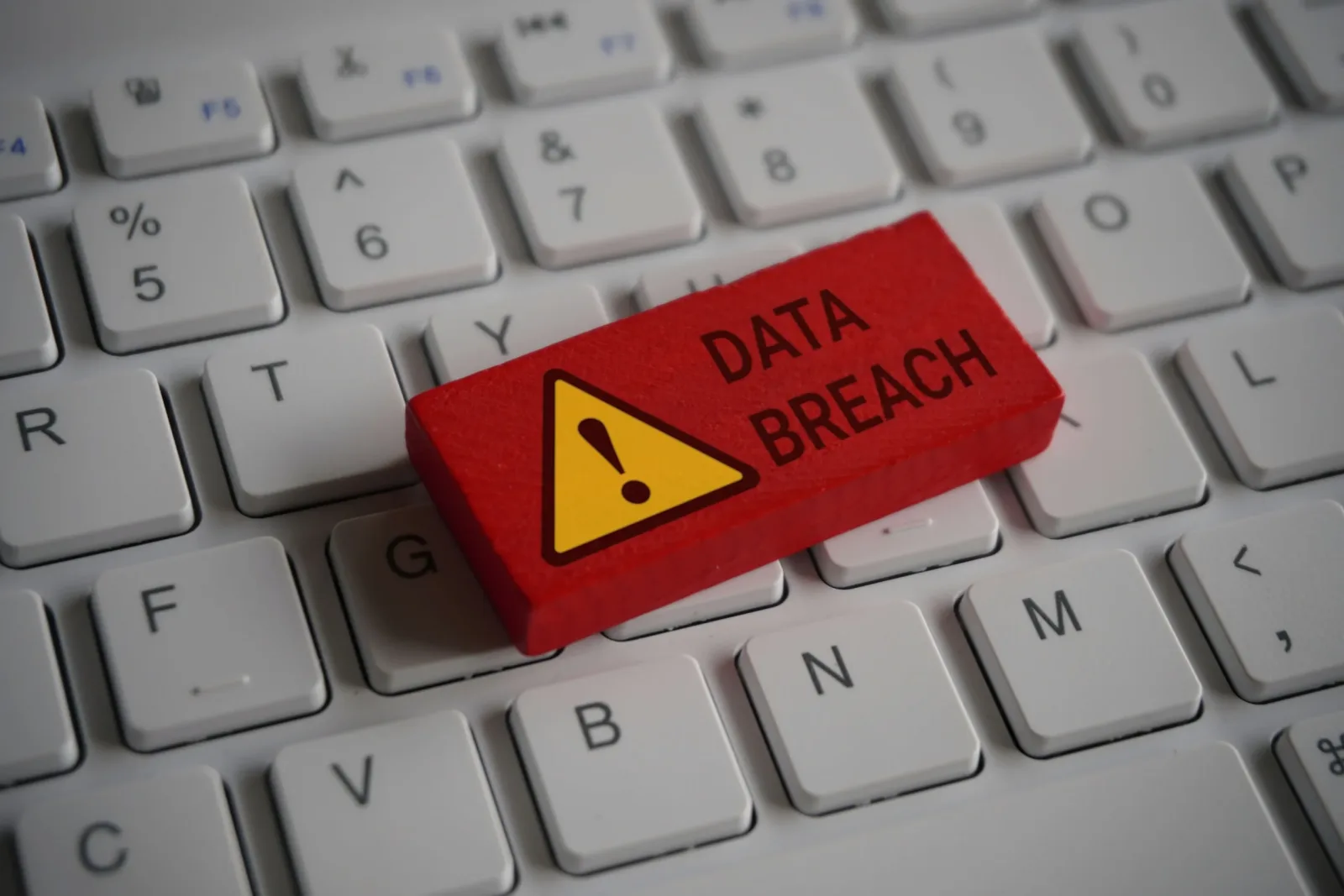
Data Loss Prevention (DLP) is a critical component of modern cybersecurity strategies, especially for small and medium-sized enterprises (SMEs) that operate with limited resources but handle increasingly sensitive data. Whether it's customer information, financial records, or proprietary business data, SMEs face growing threats from cyberattacks, insider misuse, and accidental data leaks. As digital operations expand, so does the attack surface, making it essential for SMEs to proactively safeguard their data assets against loss or exposure.
Implementing effective DLP measures helps businesses prevent unauthorized access, data breaches, and inadvertent data loss. More than just a set of tools, DLP is a strategic approach that combines technology, policy, and employee awareness to ensure sensitive data remains protected throughout its lifecycle. This article outlines key best practices for SMEs to develop and maintain a strong DLP framework, from data classification and risk assessment to employee training and the use of advanced security solutions.
Once sensitive data is identified and classified, it’s important to determine where this data resides, how it flows across your systems, and who has access to it. Mapping data movement helps uncover hidden vulnerabilities and ensures that security measures are applied consistently across all touchpoints. This visibility lays the groundwork for enforcing appropriate controls and policies that safeguard critical information throughout its lifecycle.
Based on the findings of the risk assessment, SMEs can develop a targeted approach to mitigate identified risks. This includes strengthening weak points in the existing infrastructure, updating outdated security protocols, and addressing gaps in employee awareness. By aligning DLP strategies with actual risk levels, businesses can make informed decisions, optimize their security investments, and better protect their most sensitive data assets.
In addition to having a clear policy, it’s essential to integrate the DLP policy into your daily business operations. This means embedding security protocols into workflows, ensuring that data protection is considered in every process, from onboarding new employees to managing third-party vendors. Regular reviews, compliance checks, and updates to the policy will help keep it relevant and effective as your business evolves and new threats emerge.
To maximize the effectiveness of these technical controls, businesses should ensure they are properly configured and consistently applied across all systems and devices. It's also important to integrate these controls with other security tools, such as firewalls, intrusion detection systems, and cloud security platforms, to create a layered defense. Regular testing and updates are essential to keep these controls aligned with evolving threats and to close any security gaps that may arise over time.
In addition to detecting threats, monitoring and auditing also provide valuable insights into user behavior and system performance. These insights can help refine your Data Loss Prevention (DLP) policies, identify areas for improvement, and support investigations in the event of a security incident. Establishing clear logging practices and maintaining detailed audit trails are crucial for accountability, regulatory compliance, and timely incident response.
To reinforce this training, consider incorporating real-world scenarios, phishing simulations, and periodic assessments to keep employees engaged and informed. It's also beneficial to establish a clear reporting process for suspicious activity or potential data incidents. By fostering a culture of security awareness and accountability, employees become proactive participants in your organization’s data protection efforts.
Ensuring that endpoint protection is consistently applied across all devices—whether company-owned or part of a BYOD (bring your own device) policy—is essential for comprehensive security. Centralized management platforms can help enforce security policies, push updates, and respond quickly to threats. Additionally, implementing multi-factor authentication (MFA) and strong password policies further strengthens endpoint security by reducing the risk of unauthorized access.
Neglecting software updates can leave critical gaps that cybercriminals exploit to gain access to sensitive data. By establishing a consistent patch management schedule and leveraging automated tools, businesses can reduce downtime, minimize human error, and maintain system integrity. It's also important to test patches in a controlled environment before full deployment to avoid compatibility issues or disruptions to operations.
An effective incident response plan should also include communication protocols for notifying stakeholders, regulatory bodies, and affected customers, as required by law. Documenting each incident and conducting post-incident reviews can help identify root causes and strengthen future prevention efforts. By being prepared and responsive, SMEs can minimize damage, recover faster, and maintain trust with clients and partners.
When selecting a DLP solution, consider factors such as scalability, ease of deployment, compatibility with your current systems, and the level of support offered by the vendor. Cloud-based DLP tools can be particularly beneficial for SMEs, offering flexibility, lower upfront costs, and simplified management. A well-chosen DLP solution not only enhances security but also streamlines compliance with industry regulations and data protection standards.
Implementing strong Data Loss Prevention (DLP) measures is vital for SMEs to protect sensitive data, maintain customer trust, and ensure regulatory compliance. By following best practices—such as classifying data, training employees, securing endpoints, and using the right tools—small businesses can build a resilient data security framework that minimizes risks and supports long-term growth.
Keep reading
4 Reasons to Outsource your IT Management Controls and Reduces Business Costs If your overall goal is to limit and to control business IT costs, outs…
Read articleDon’t you hate it when you ask about prices and companies don’t provide clear-cut answers? We do too. As an IT outsourcing company with over 20 years…
Read article10 Signs It’s Time to Outsource Your IT Management 1. High IT Spending If your organization is spending excessively on maintaining an in-house IT dep…
Read article